Dancing at Lughnasa: A Story of Sisterhood
Set in the summer of 1936, Dancing at Lughnasa invites us to Ballybeg, Donegal. Here, the Mundy sisters wrangle the mundanity of everyday life, peppered with unexpected intrusions. A long-lost brother returns home from afar; an absentee lover attempts to fulfil his role as father figure; and a young boy watches the action unfold with the benefit of hindsight.
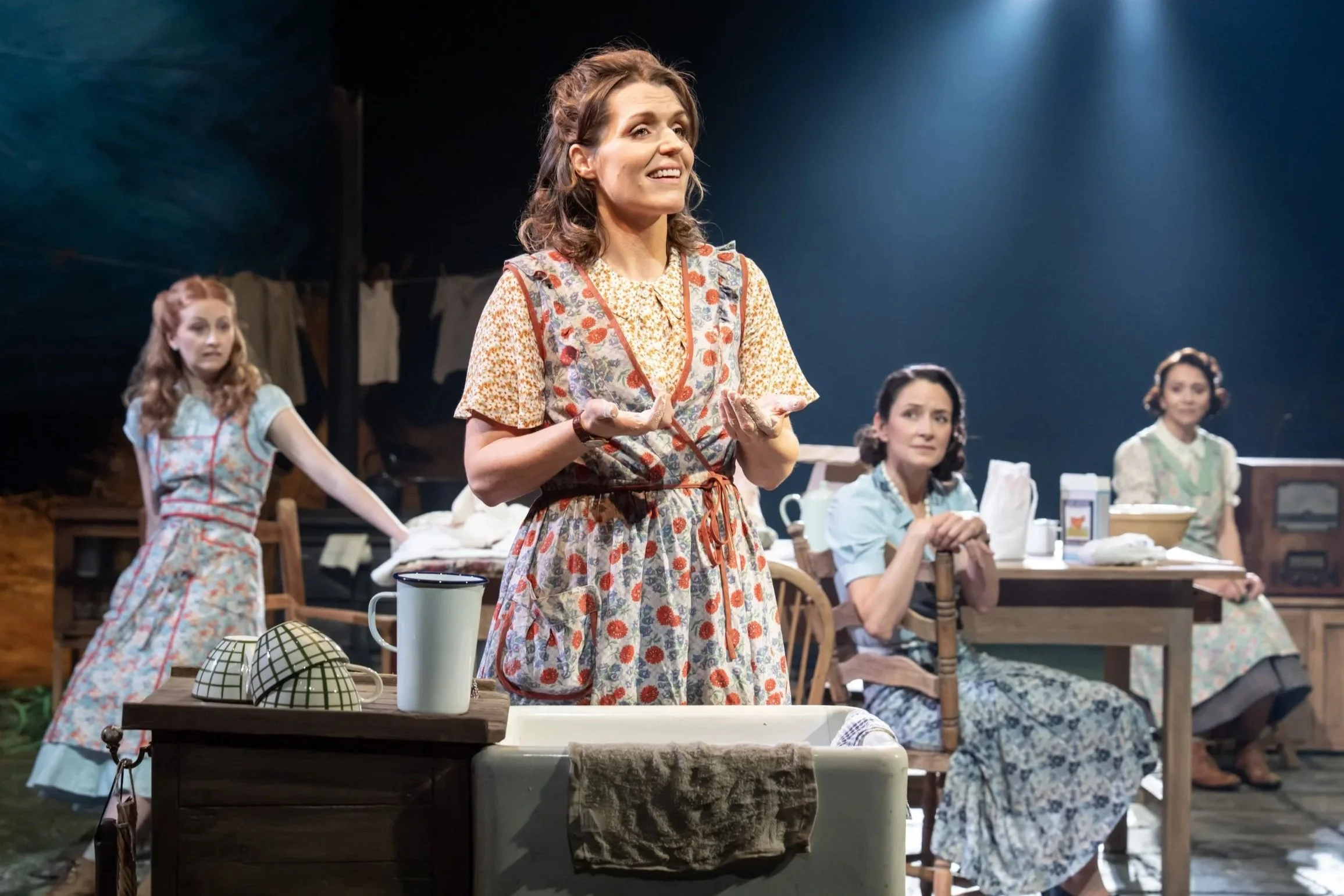
There’s something rather Pride and Prejudice-esque about watching the five unmarried sisters interact. The gossiping, bickering, teasing, and - often concerned - chattering between the sisters drench the space with an atmosphere that any real-life siblings recognise well. Under Elizabeth Newman’s direction, the cast bring a sense of true, lived experience to each character (only interrupted by occasional ill-fitting interjections, as required by the script).
Men are very much “other” in this setting. The sisters are a strong unit - albeit an increasingly fragmented one. Whereas the male figures come and go, bringing disturbing and often untrustworthy stories from the wider world. It’s a production full of strong female roles, despite the characters not always feeling particularly powerful.
In the idiosyncratic style of “the Irish Chekhov”, this is a pre-kitchen sink drama; a naturalistic snapshot in the frame of a memory. An overriding sense of nostalgia abounds in this depiction of a single summer soaked in allegory. The carefully curated set, by designer Francis O’Connor, plants us in the heart of the family home. The kitchen table should almost get a credit as an integral member of the Mundy clan.
O’Connor’s set sprawls outwards beyond the theatrical module itself. As an audience, we’re encouraged to share in the sisters’ curiosity with the outside world and what they’re missing beyond the horizon. So much of the play’s action takes place outside of the family home. Yet, from the interior vantage point we’re afforded, we watch the group of sisters always yearning and looking beyond their own lives…
Dancing at Lughnasa offers very few discernible plot points to speak of. The story is simply a snapshot in time, foreboding of the brewing political, religious, and familial splits.

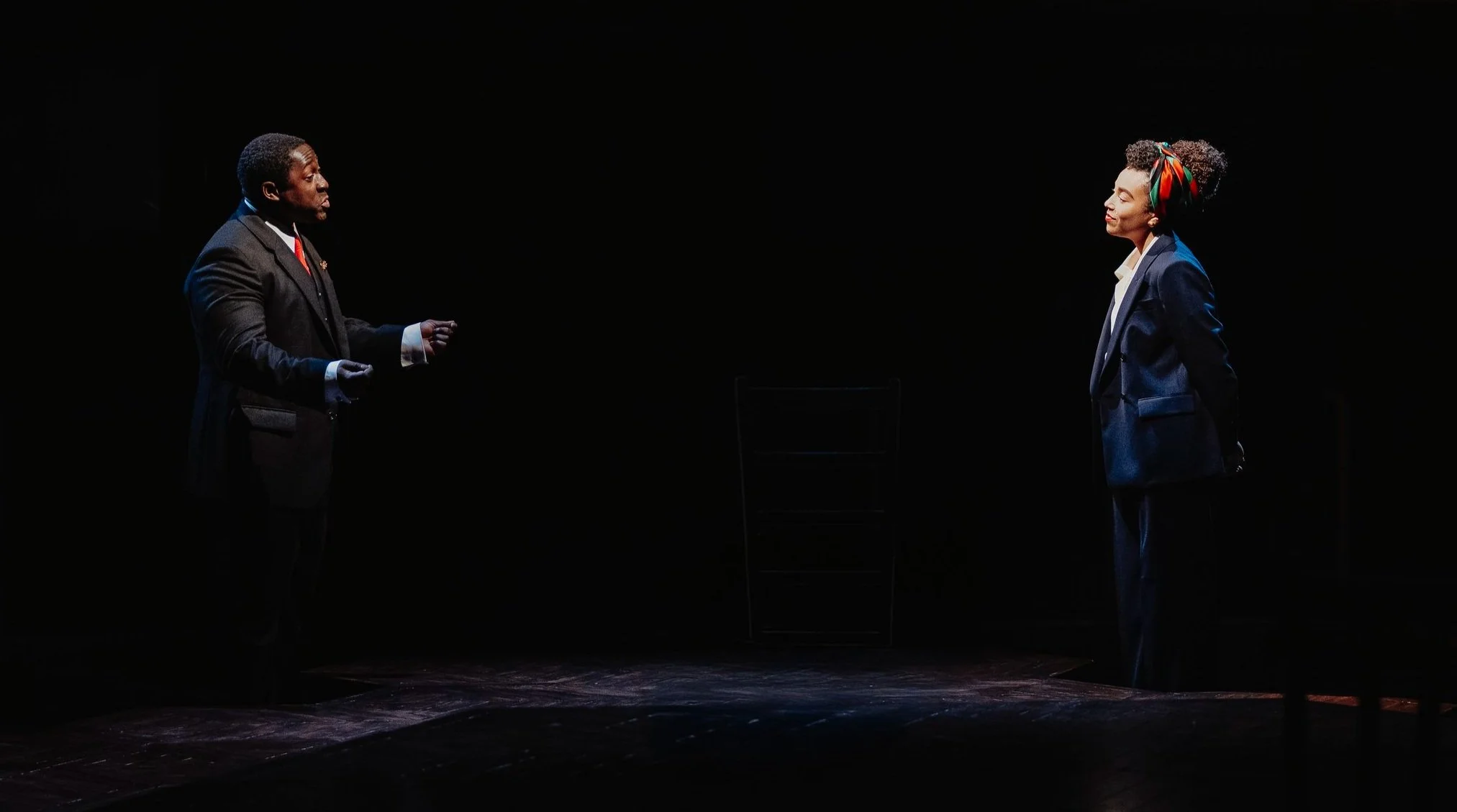
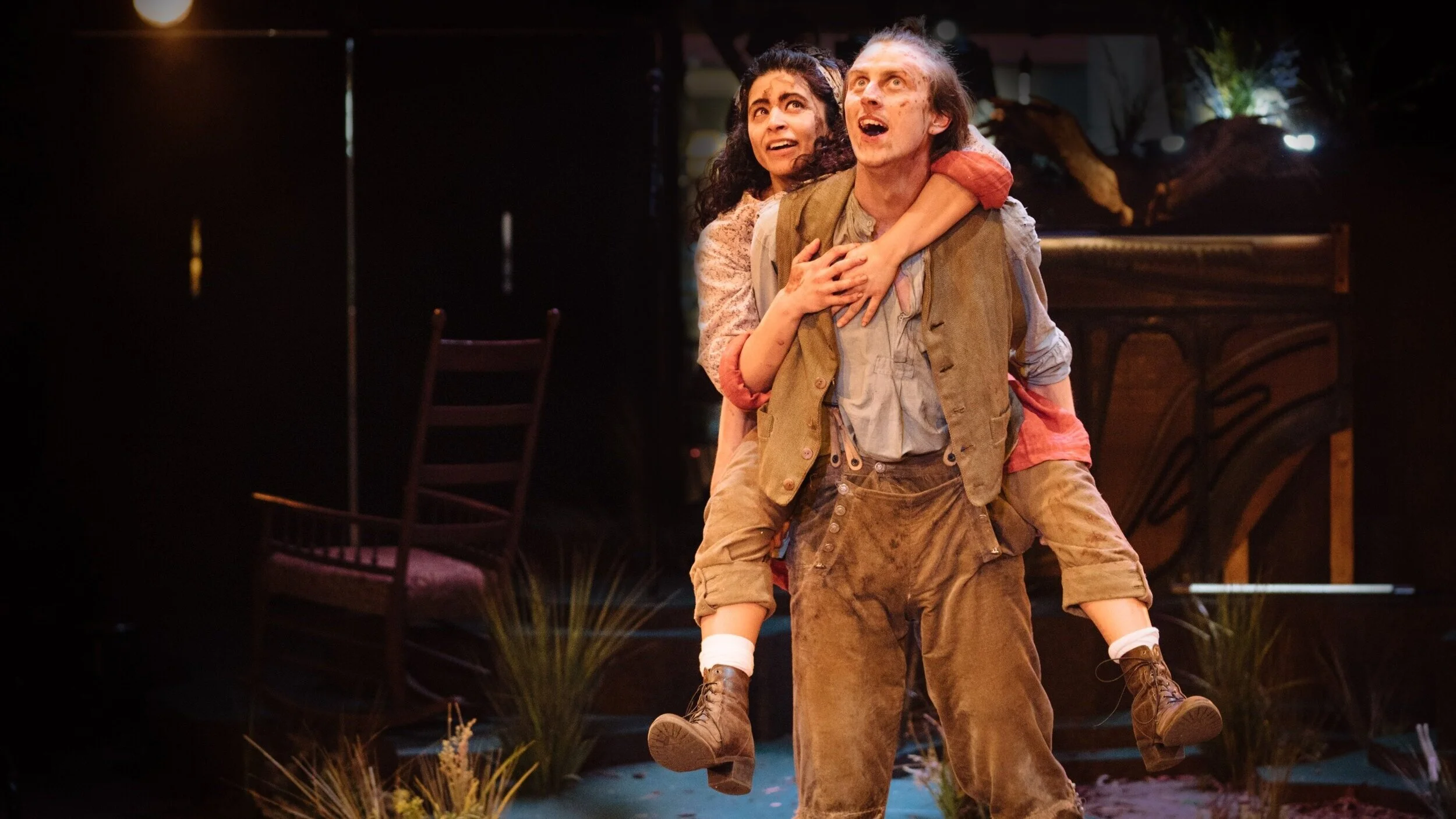
Maggie (Siobhán O’Kelly) and Rose (Rachel O’Connell) find freedom in dancing.
One such milestone point comes fairly early in the production. Act one centres on a cathartic moment of somatic release. Depicting the playwright’s fascination with “dance as a substitute for language”, we watch the powerful escape that music offers to these women. In the play’s most captivating scene, we see a glimpse of release from the lives that have been unfairly written off by their society and relegated to spinsterhood. The breathless, frantic aftermath of this scene is engrossing, and is sadly missing from some of the play’s later moments.
Director, Elizabeth Newman, lauds the play: “it’s about faith, religion, memory, identity, family, duty, oppression, freedom, love - and it’s deeply concerned with the roles women are asked to play”. She says she sought to put on a production that “asks big questions in small rooms”.
Friel’s script certainly runs the full gamut of linguistics. Lines flit from fast-paced, overlapping back and forth conversations, to the verbose, poetic monologues of Michael’s retrospective. And the cast do admirably with such a challenging script. They find wonderful moments of lightness and comedy, delivered with impeccable timing. And they dwell on some of the tragic moments, often told inaudibly through the sisters’ eyes.
It’s wordy and the cast say a lot… yet no one ever truly says a word about what they really mean or how they’re feeling.

Christina (Martha Dunlea), Agnes (Laura Pyper) and Gerry (Marcus Rutherford) form an unexplained love triangle
As Kate and Maggie, Natalie Radmall-Quirke and Siobhán O’Kelly, give standout performances. They add masterful nuance to the otherwise perfect depictions of their archetypes: Kate the endlessly uptight puritan who quashes her own humanity in order to maintain control; Maggie the warm, caring, fiery heart of the family home; both caring, concerned, and clutching at positivity.
The other three sisters are each caught up in strangely off-putting love stories. There’s a sense of discomfort and plenty of unanswered questions that come with each romantic entanglement.
I entered the theatre having studied the play extensively as an A-level set text. Yet, I had almost never - in the 13 years since - heard of any theatre putting it on. It’s certainly an interesting choice. As an audience member, it feels akin to watching a compelling episode from a series, but not quite a full film.
The director said “this play is full of questions”, and the audience seemed to leave the theatre with a sense of uncertainty. Each of the sisters slowly return to their positions from the opening tableau, having given undeniably emotive performances. Yet the play offers no closure or satisfaction; in that sense, we share in the plight of the Mundy sisters.
Dancing at Lughnasa plays at Manchester’s Royal Exchange Theatre until 8th November 2025. For tickets and more information, visit the RX Website.
Or explore our archive of theatrical commentary from the iconic Royal Exchange Theatre.
Photo credits: Johan Persson