Sisters, shadows, and sharp suits. This new adaptation, clad in chainmail, makes soliloquies sexy.
Sisters, shadows, and sharp suits. This new adaptation, clad in chainmail, makes soliloquies sexy.
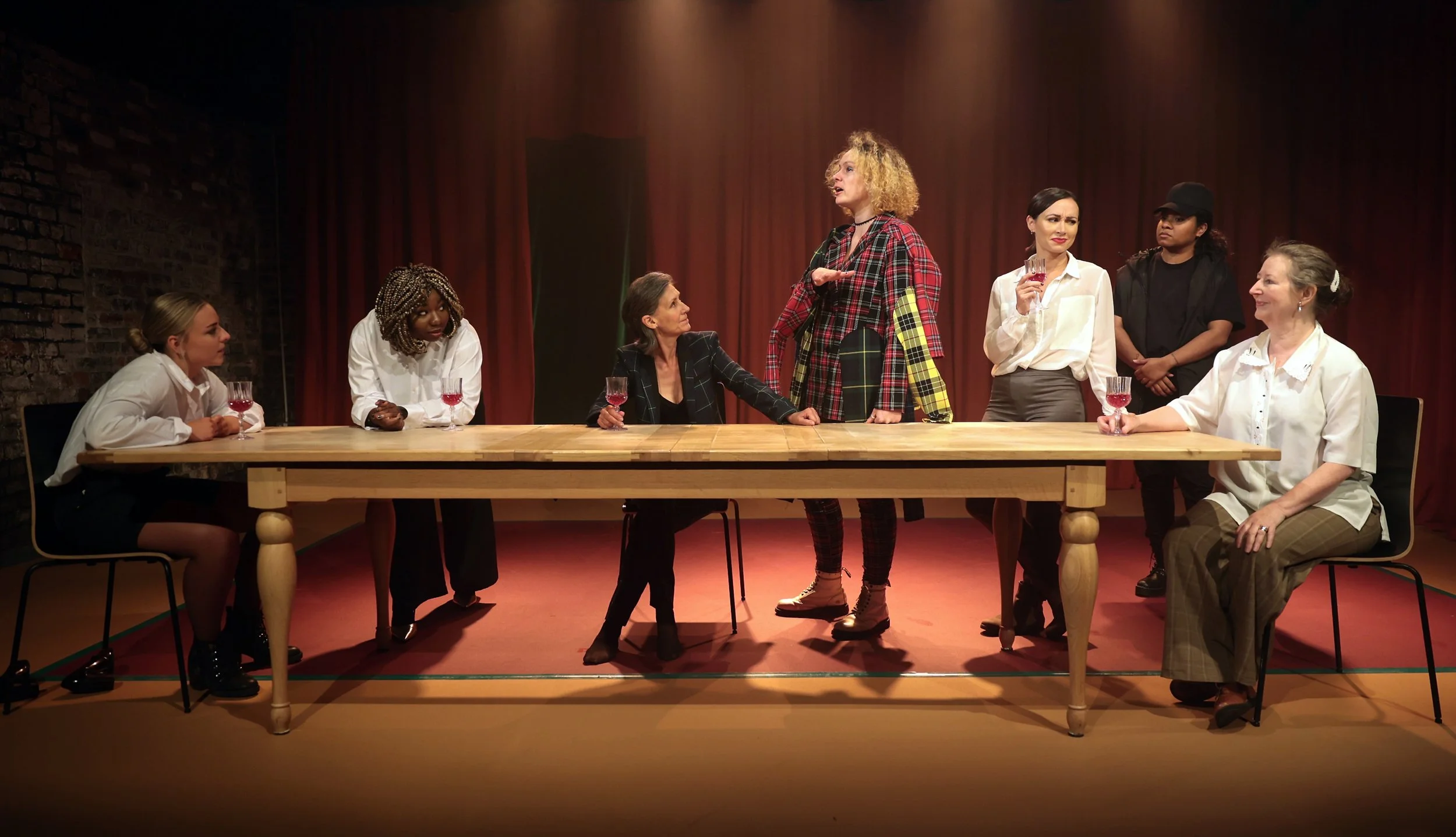
Even These Things is at once an insight into untold histories, a political discussion on what it means to be “from” somewhere, and an undeniably affectionate love letter to the city of Manchester.
Gendered power struggles, social expectations, and a proclivity for slipping into jealousy all feel unavoidably familiar. The beauty of this play is how it offers up those biting observations in the frame of a genuinely enjoyable - at times even hysterical - and overwhelmingly positive evening at the theatre.
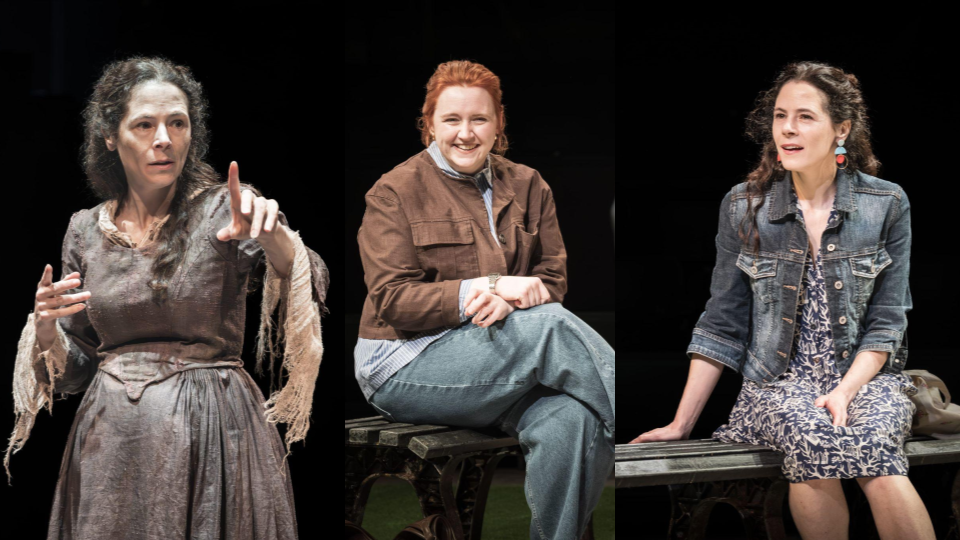
In a production of strong female roles, men are very much “other”. The sisters are a strong unit - albeit an increasingly fragmented one. Whilst men bring disturbing and often untrustworthy stories from the wider world.
This powerfully feminist production, gives airtime to universal issues and centres on the women who campaign for liberation whilst also fighting for their own place in that very fight.
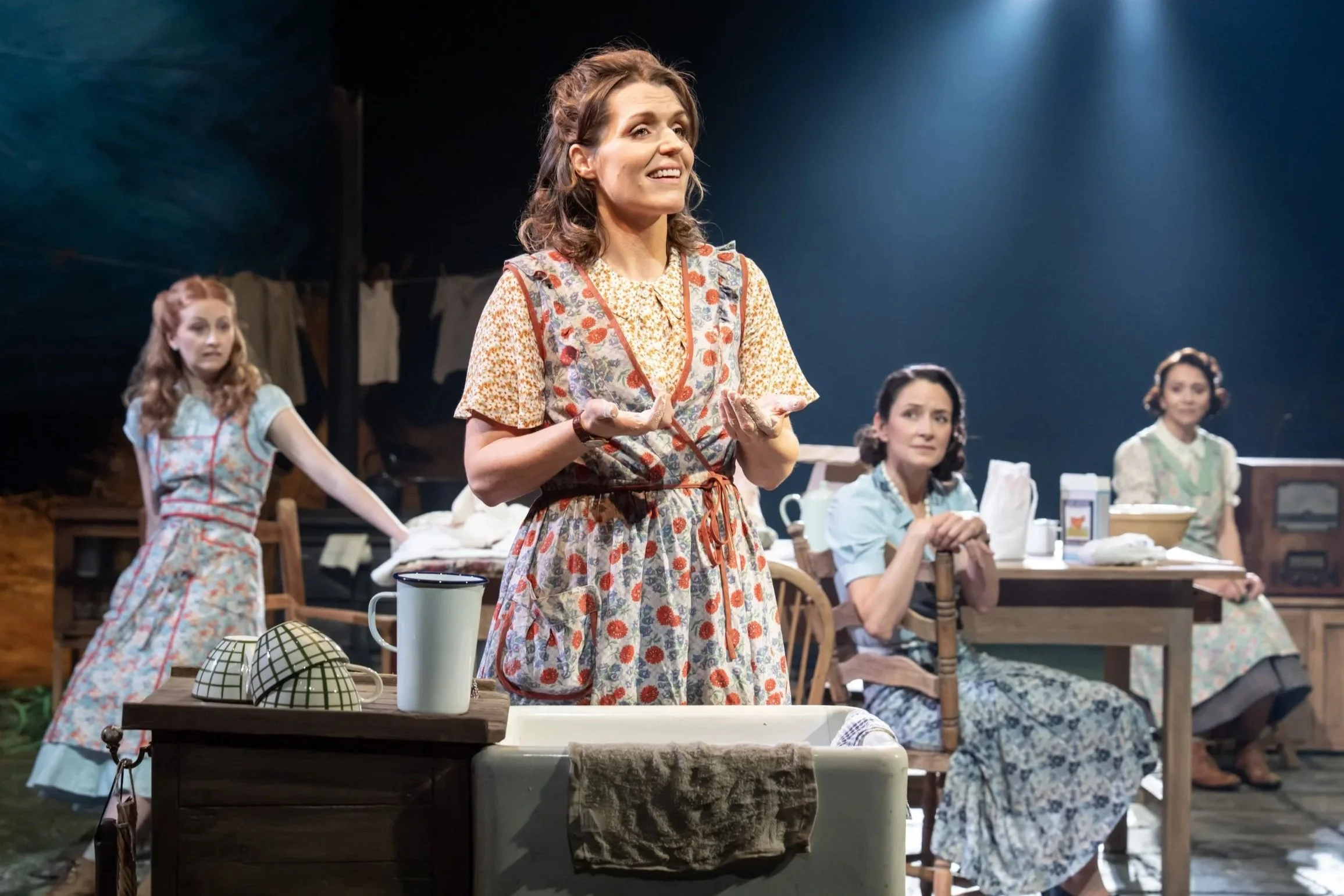
England’s Lionesses set attendance records. But, as we prepare for the latest installment of the Women’s Euros, will we ever refer to “football” and “men’s football”?
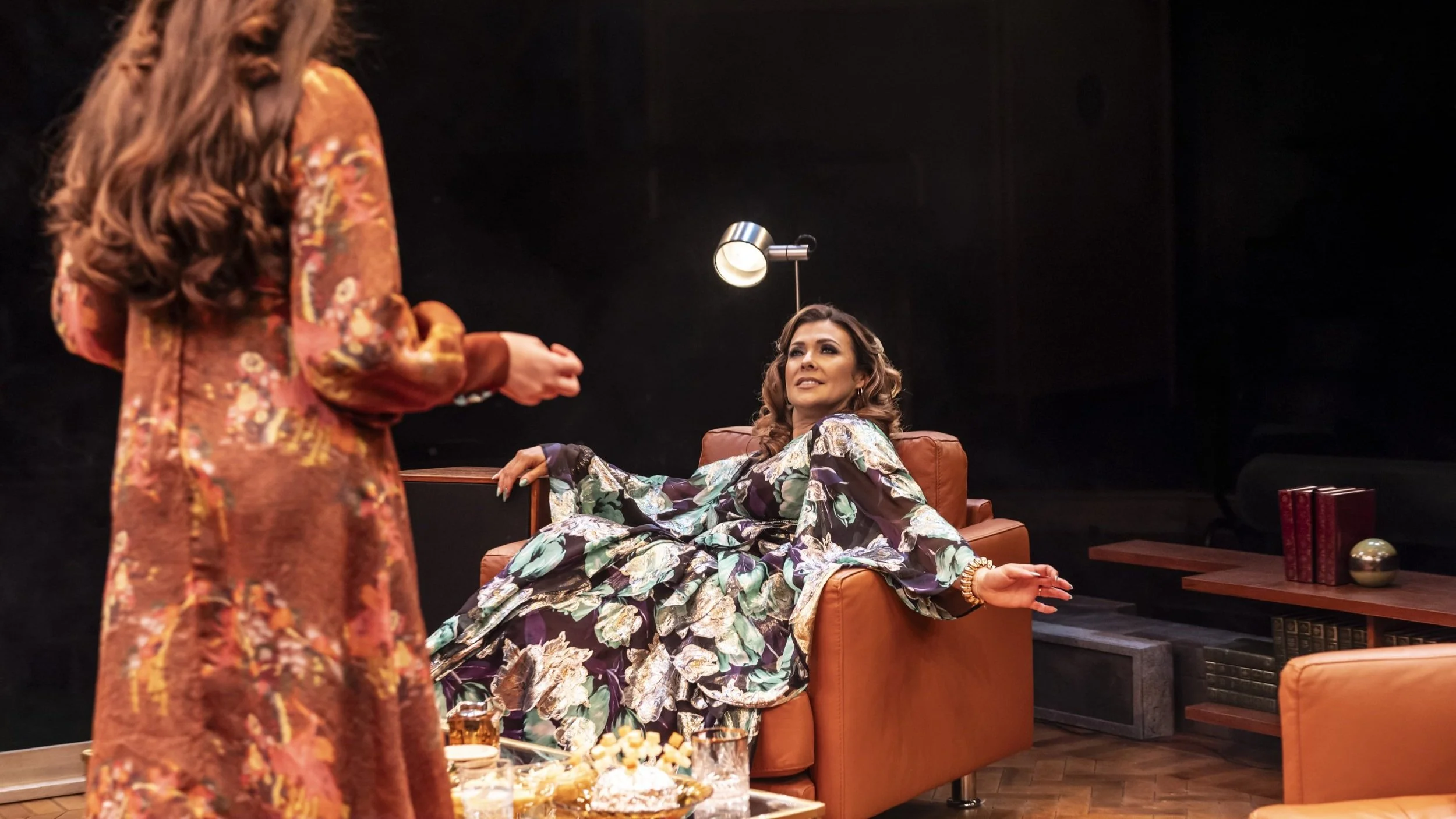
Comforting nostalgia meets uncomfortably familiar “networking” situations. 1970s kitsch meets sadly universal male aggression. And everyone drinks a LOT of gin along the way.
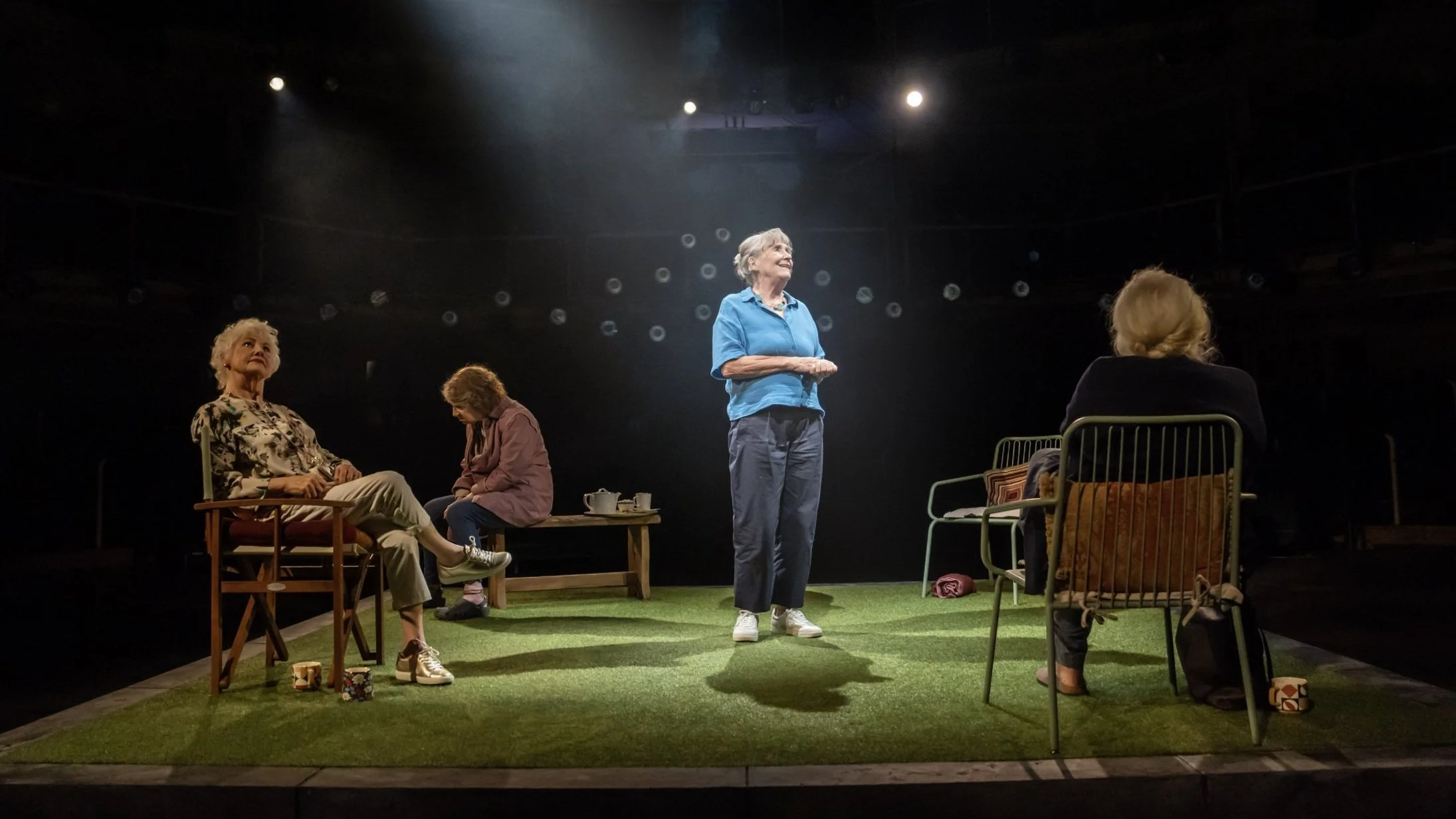
In less than 90 minutes of stage-time combined, these two short plays take on the complexities of mental illness, ageing, grief, and loneliness.
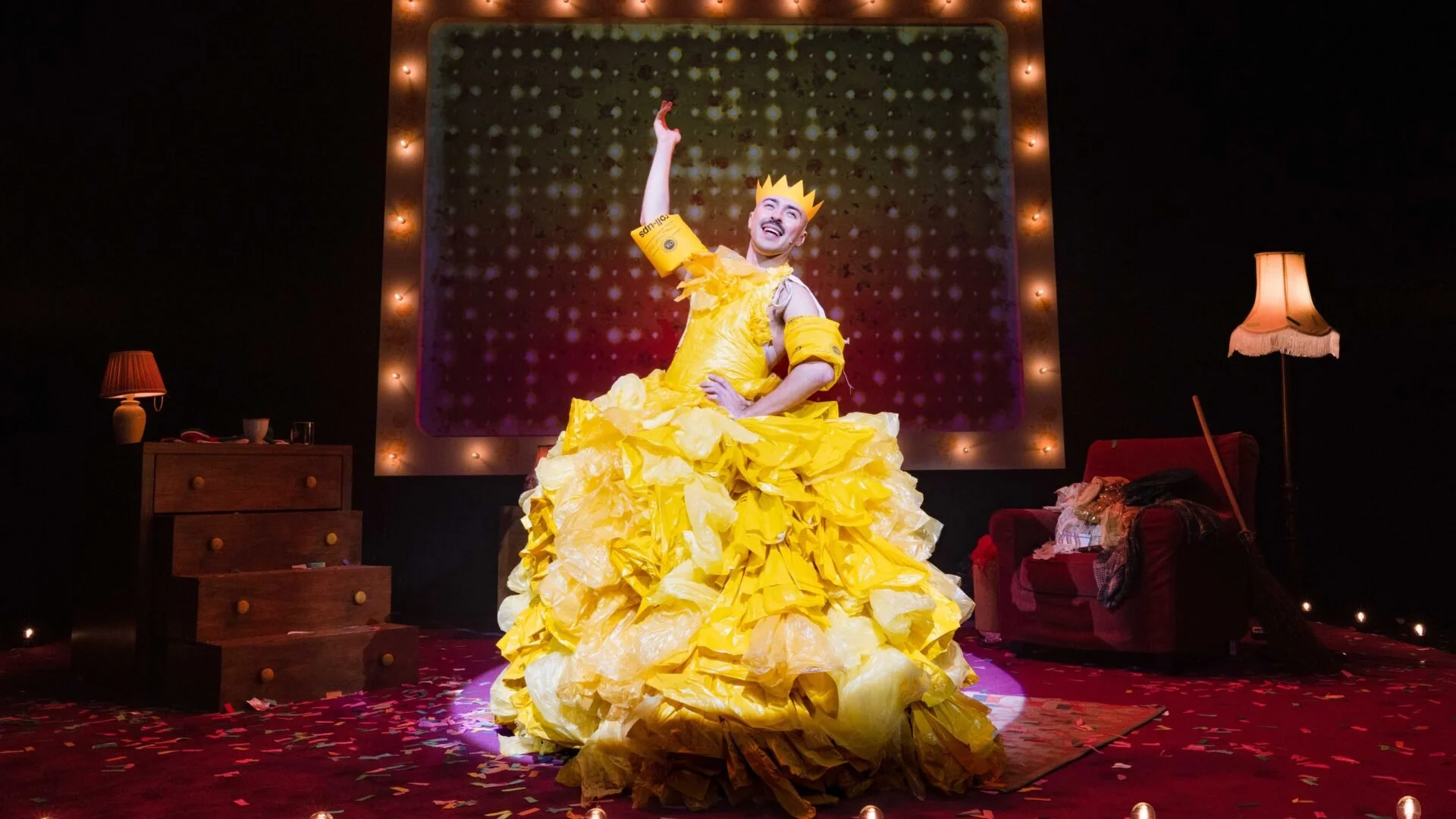
The journey to self-acceptance and true, full-colour self-expression is rarely straight.
“We will be loved anyway”
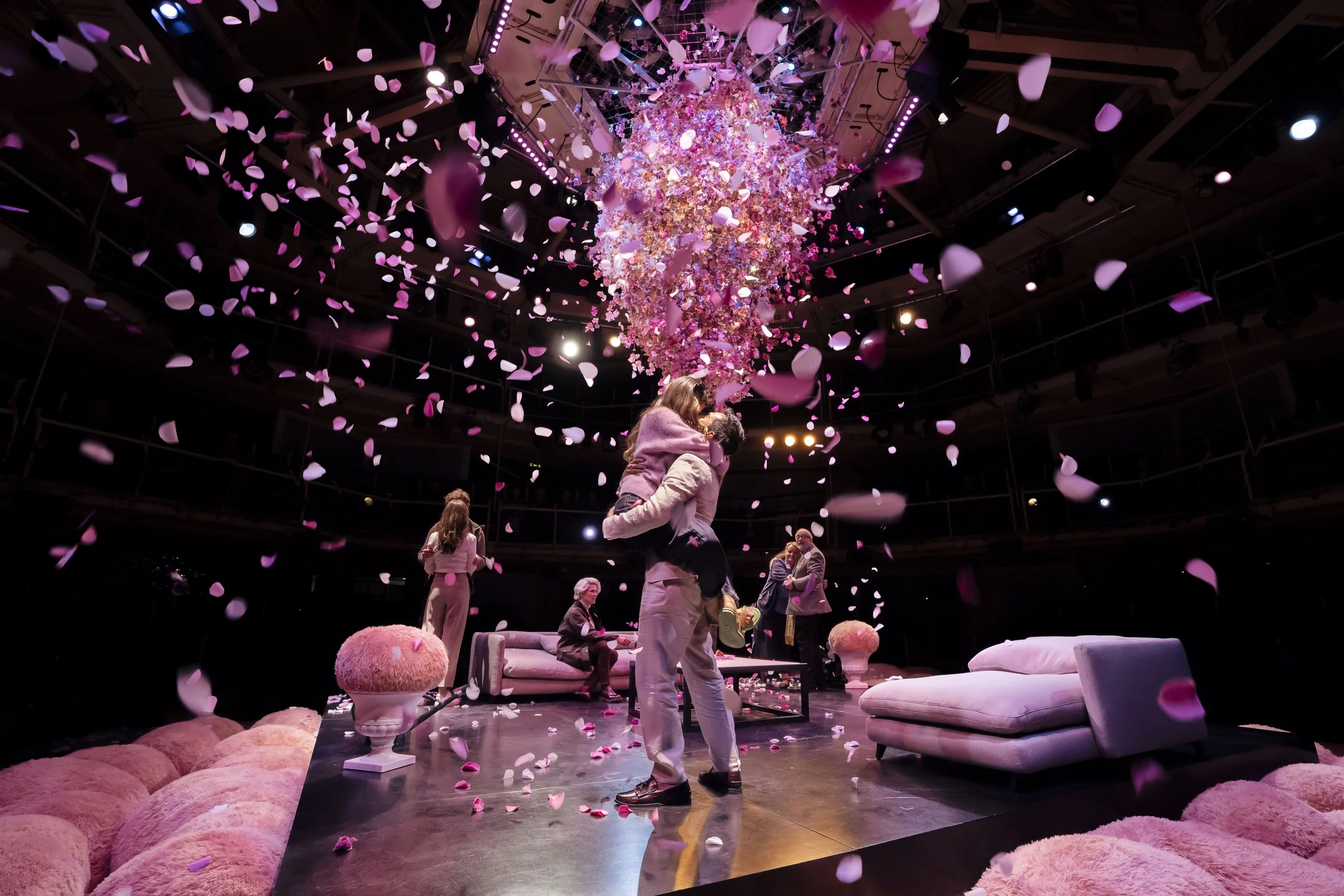
It’s loud, pink, and hilariously sassy; Oscar Wilde’s satire meets the Barbie era.
From Salford playwright, Shelagh Delaney, comes an intimate depiction of a mother-daughter relationship and the men who come between.
Touching upon every inch of the human experience. Tackling mental and physical afflictions, and the unfair societal structures that often exacerbate them through comedy.
We look in as microaggressions compile and connect to become something huge.
TW: themes of domestic abuse
Saltburn makes you look at desire and sex in a way that is both interesting and tricky to look at.
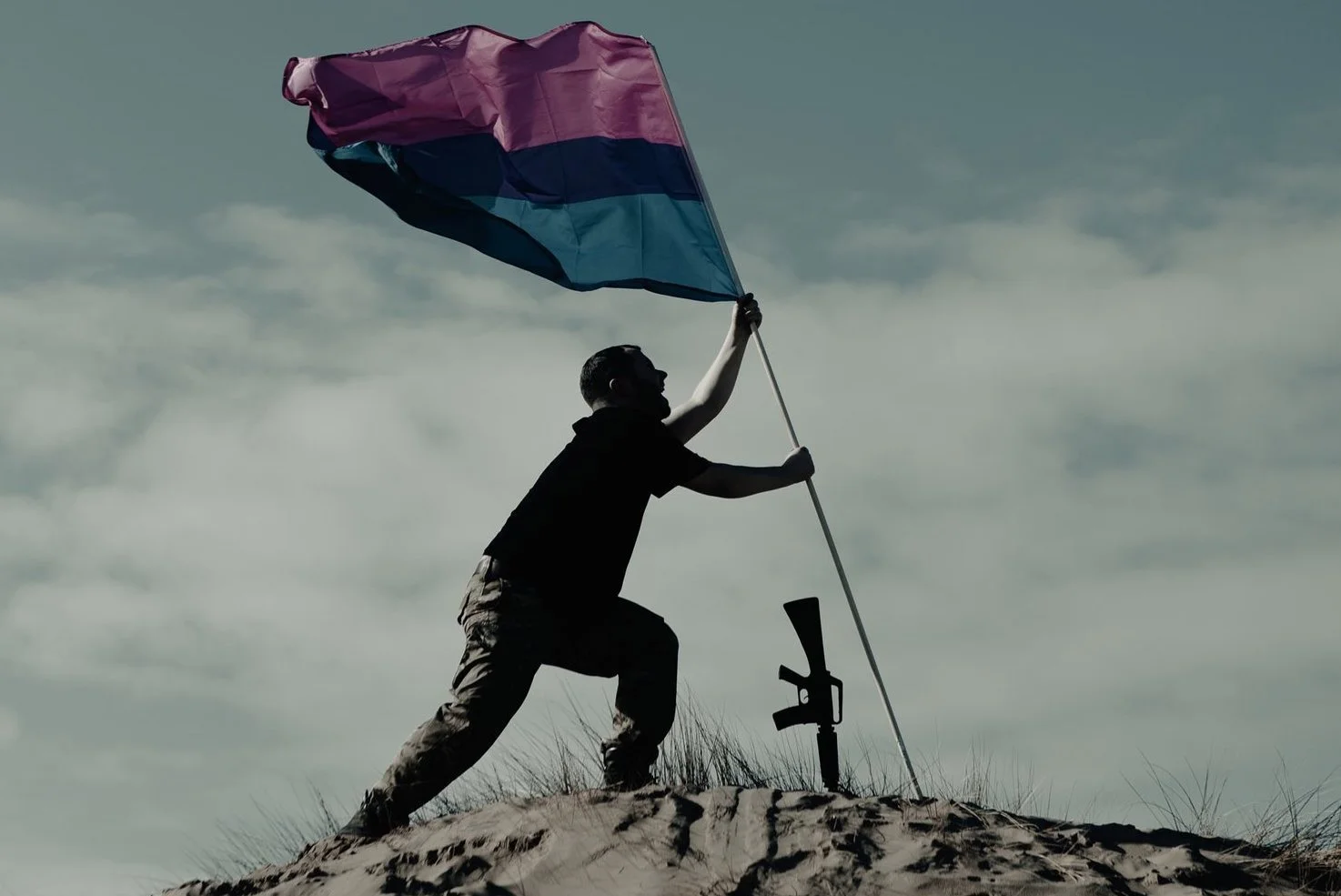
Bi-Topia tells the story of battling with uncertain sexuality, mental health and the very definition of masculinity.
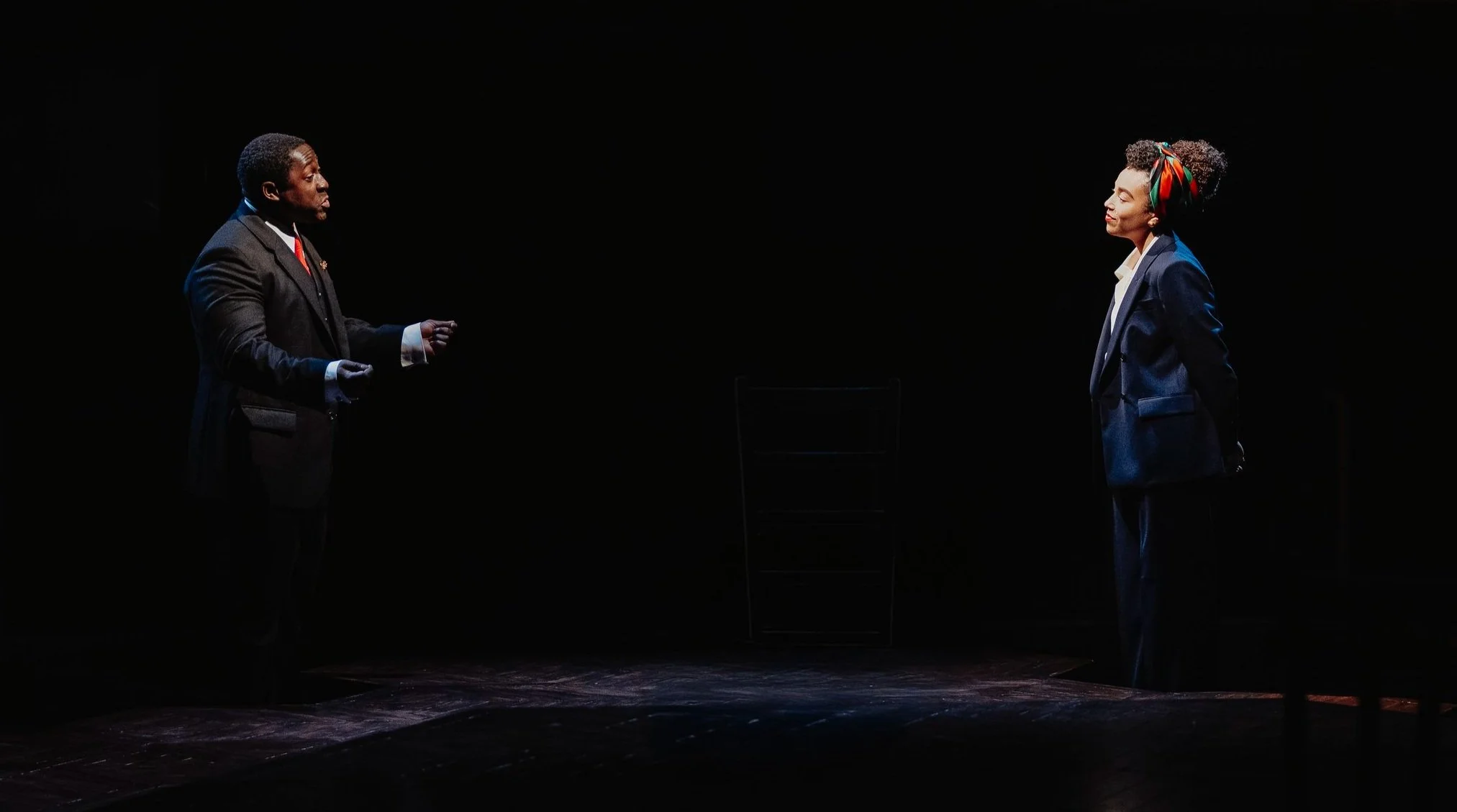
A sharply political comedy tackling racist theatrical tropes. Courtesy of a newfound transcendental awareness, Kim rejects and shatters the stereotypes that have bound her and her sisters who came before.
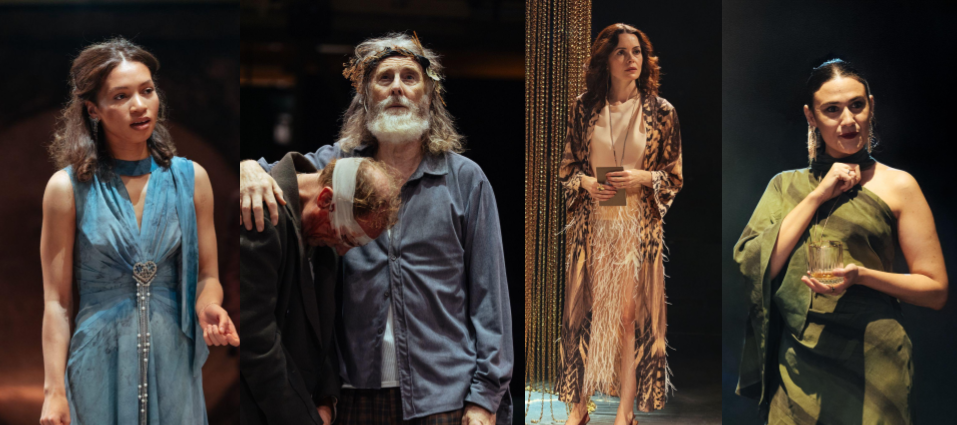
King turned Queen, Lear is a celebration of theatre and diversity, in a Northern, female voice.
A Force to be Reckoned With celebrates the strides made by pioneering female “policemen”, facing sexism through song and sketch.
A modern translation of the original play, No Pay? No Way! highlights that the economic troubles of 70s Italy are not only still relevant, but arguably only getting worse.
In this female-fronted Shakespearean interpretation, we are reminded of the antisemitism and prejudice that still pervades contemporary society.